


Industry News
-

How the AI Hardware Revolution is Redefining the High-End Electronic Fiberglass Industry
In 2026, the accelerated deployment of hyperscale AI compute clusters, next-generation GPU architectures (such as NVIDIA’s Rubin series), and massive cloud infrastructure projects are transforming the global supply chain for base materials. Beyond traditional applications in construction and ...Read more -

Innovative Developments in Fiberglass Weaving Technology
1. Characteristics and Limitations of Traditional Weaving Processes Traditional weaving methods for fiberglass textiles rely primarily on basic techniques such as plain and twill weaves. While these processes create textile structures through yarn interlacing—resulting in significant structural i...Read more -

Key Demand Drivers for Low-Dielectric Glass Fiber Cloth in the AI Era
1.Essential Demand from AI Servers and Data Centers AI servers represent the largest source of incremental demand for low-dielectric glass fiber cloth. AI training and inference processes rely on massive data exchange, necessitating the use of high-layer-count PCBs and high-speed interconnect tec...Read more -

Differences and Applications of High-Performance Glass Fibers
High-performance glass fibers are designed in a synergistic manner with glass components and processes, ultimately exhibiting significant advantages over traditional E-glass fibers in key indicators such as mechanical strength, elastic modulus, temperature resistance, chemical corrosion resistanc...Read more -

Fiberglass Mat Applications: Current Status, Technical Bottlenecks, and Future Trends
In the landscape of modern high-performance materials, fiberglass mats stand out for their exceptional physical and chemical stability. From advanced energy storage and vacuum insulation to precision filtration, the material’s evolution is actively redefining industrial capabilities. Below, we b...Read more -
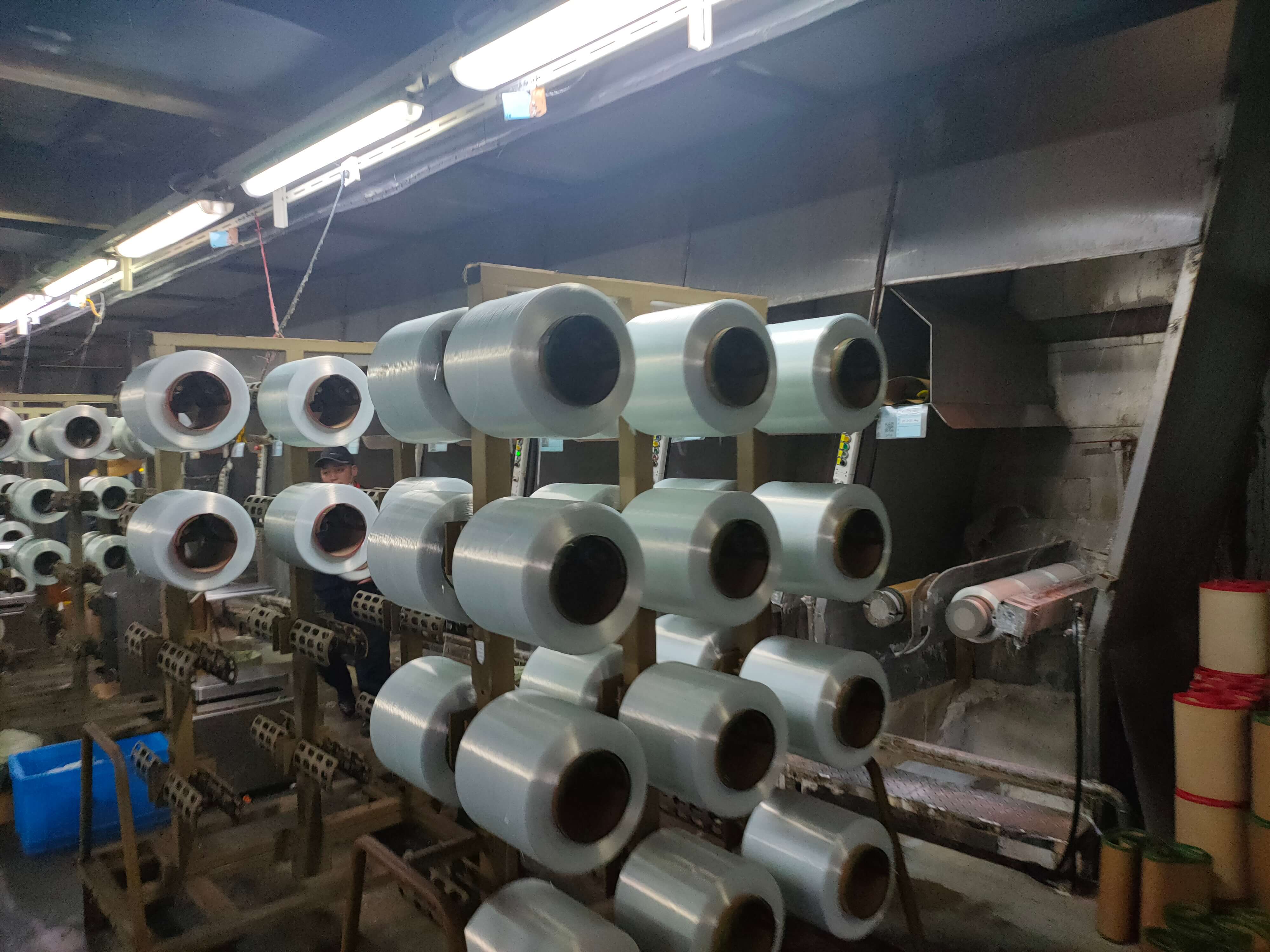
Practical Application and Collaborative Optimization of Technical Processes in Textile Fiberglass
1. Micro-Analysis of the Impact of Process Parameters on Fiber Quality During the bushing drawing process of textile fiberglass, various process parameters are heavily coupled and directly dictate the macro-physical performance of the final fibers: Drawing Speed and Tension Control: Reasonably ...Read more -

Enhancing the Performance of Glass Fiber through Weaving Processes
1.How Weaving Affects Glass Fiber Performance The firmness of glass fibre, and the strength of the tough to withstand high temperature, is influenced by the weaving process. The tensile strength and fracture resistance of glass fibre can be greatly improved by optimum control of the weaving p...Read more -

Why has the price of fiberglass gone up?
What is fiberglass? Fiberglass is an inorganic non-metallic material with excellent properties. It comes in a wide variety of types and offers advantages such as good insulation, high heat resistance, strong corrosion resistance, and high mechanical strength. Glass fiber is manufactured from mine...Read more -

Beihai Fiberglass Shines at JEC World 2026 with Phenolic Moulding Compound
The JEC World 2026, the world’s greatest composites show, is commenced in Paris. Beihai Fiberglass is one of the hundreds of firms that display cool new things. Their special Phenolic Moulding Compound is the great leader. Beihai Fiberglass is great with the composite materials. The booth t...Read more -

Differences Between Fiberglass Roving and Yarns and Their Production Equipment Variations
Fiberglass roving and yarn are two common forms in fiberglass product manufacturing, exhibiting distinct differences in their applications, characteristics, and production processes. This article explores the distinctions between fiberglass roving and yarn, analyzing their differences in producti...Read more -

Advantages and Disadvantages of Autoclave Molding Process, Application Fields, and Operational Steps
The autoclave process involves laying up prepregs according to layup specifications within a mold, sealing them in a vacuum bag, and then placing the assembly into an autoclave. Through heating and pressurization within the autoclave equipment, the material undergoes a curing reaction, transformi...Read more -

Why is fiberglass used as the material for fire-resistant fabrics?
In the process of human industrial civilization, thermal protection and fire suppression have always been core issues in ensuring the safety of life and property. With the evolution of materials science, the base materials of fire-resistant fabrics have gradually shifted from early natural minera...Read more


