


1. Characteristics and Limitations of Traditional Weaving Processes
Traditional weaving methods for fiberglass textiles rely primarily on basic techniques such as plain and twill weaves. While these processes create textile structures through yarn interlacing—resulting in significant structural integrity and rigidity—the inherent brittleness and high hardness of fiberglass often lead to issues like yarn breakage and mechanical damage during production. Traditional processes struggle to meet the demands for multifunctional and composite materials and fail to effectively enhance fabric properties—such as strength, flexibility, and comfort—thereby limiting their application in high-performance sectors.
2. The Need for Innovation in Weaving Technology
As new materials emerge and the demand for high-performance textiles grows, the limitations of traditional weaving processes have become increasingly apparent. The introduction of materials such as composite fibers and nanofibers necessitates weaving processes that offer greater adaptability and precision regarding strength, toughness, and high-temperature resistance. Modern industrial textiles place higher demands on weaving technology, particularly regarding multifunctionality and environmental sustainability. Innovative weaving processes must not only boost production efficiency but also satisfy market demands for customization, lightweighting, and high performance, thereby driving the textile industry toward intelligent and eco-friendly development.
3. Innovative Approaches to Fiberglass Weaving
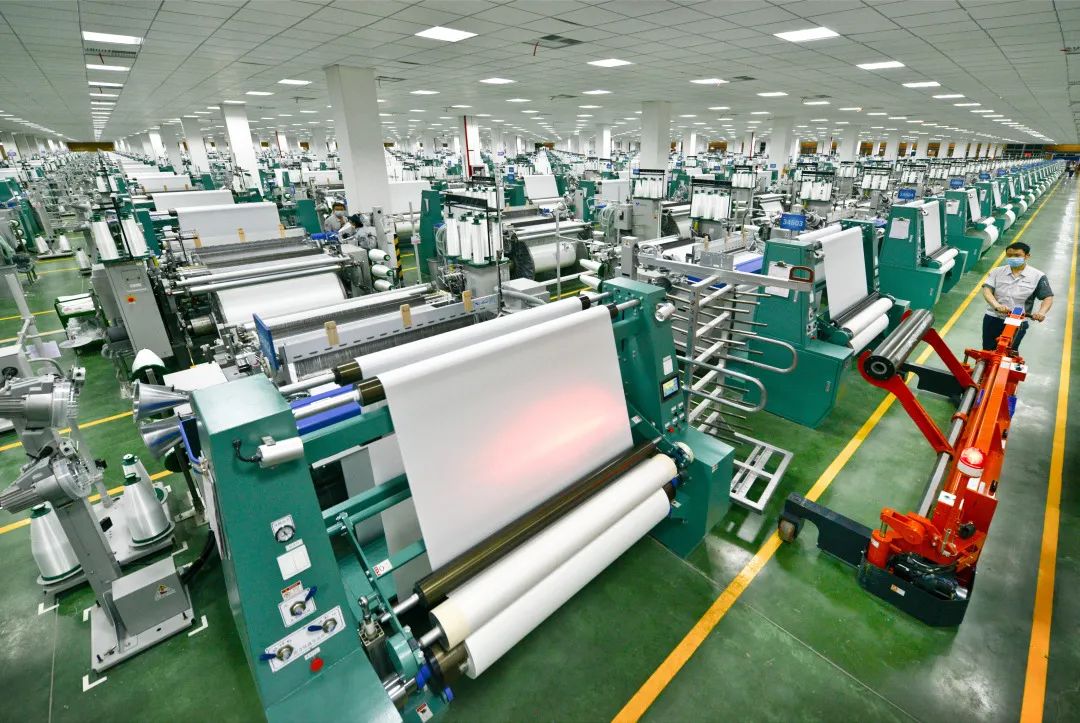
High-efficiency weaving technologies—such as electronic looms and automated weaving systems—have revolutionized fiberglass production. Through digital control and automation, these technologies render the weaving process more precise, rapid, and efficient. Electronic looms enable fine control over yarn tension, density, and fabric structure, significantly increasing productivity while minimizing human error. Automation optimizes production workflows, reduces labor costs and time wastage, and greatly elevates the level of industrialization. Furthermore, the integration of nanotechnology and composite materials has further spurred innovation; nano-coatings enhance strength, UV resistance, and antimicrobial properties, while composite material innovations boost multifunctionality, broadening application prospects in sectors such as aerospace, automotive manufacturing, and construction.
Eco-friendly weaving processes address global concerns regarding sustainability and environmental protection. By utilizing non-hazardous materials and production methods, these processes minimize the emission of harmful substances and reduce environmental impact. For instance, the use of water-based coatings instead of traditional solvent-based ones cuts down on the use of toxic substances. Furthermore, the application of recycling and energy-saving technologies enhances the environmental performance of the production process. These processes not only align with green manufacturing requirements but also reduce the ecological burden while meeting performance standards, thereby driving the sustainable development of the textile industry.
Post time: Aug-06-2026


