


In 2026, the accelerated deployment of hyperscale AI compute clusters, next-generation GPU architectures (such as NVIDIA’s Rubin series), and massive cloud infrastructure projects are transforming the global supply chain for base materials.
Beyond traditional applications in construction and industrial uses, the demand for Electronic-Grade Fiberglass Cloth (E-Glass & Low-DK/Low-DF Fabrics) is surging. Driven by high-layer PCBs, IC substrates, and AI servers, the fiberglass industry is transitioning from a traditional cyclical commodity market into a high-value, tech-driven structural growth sector.
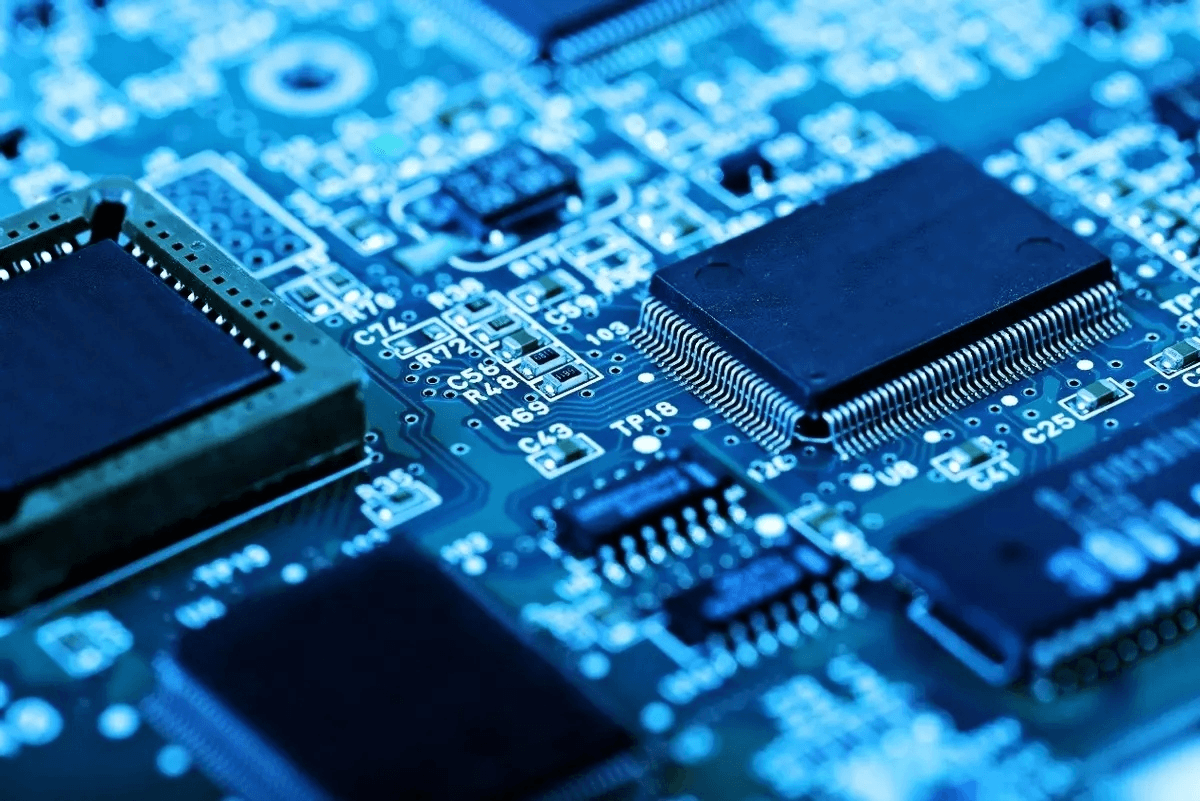
1. Core Market Driver: AI Infrastructure Demands Next-Gen Substrate Materials
Fiberglass is widely recognized for its lightweight, high strength, electrical insulation, and thermal stability. Today, electronic-grade fiberglass fabric has become a critical foundation for high-frequency AI hardware.
Unlike legacy server architectures, AI-driven infrastructure requires upgrades in both material volume and performance:
- Volume Multiplication: Traditional general-purpose servers typically utilize PCBs with 8–14 layers. In contrast, mainstream AI servers require 20 to 40-layer PCBs, with ultra-high-density compute backplanes reaching up to 78 layers. As a result, a single AI server consumes 3 to 8 times more electronic fiberglass fabric than a conventional server.
- Performance Evolution: High-frequency GPU operation generates significant heat and demands ultra-low signal attenuation. Standard fiberglass fabrics fail to meet these requirements due to higher dielectric loss (Dk/Df). The industry is rapidly shifting toward Low-DK (Low Dielectric Constant) and Low-DF (Low Dissipation Factor) special fiberglass fabrics engineered for minimal signal delay and superior thermal resistance.
| Parameter | Traditional Server PCB | Next-Gen AI Server PCB |
|---|---|---|
| PCB Layer Count | 8 – 14 Layers | 20 – 40+ Layers (Up to 78) |
| Fiberglass Consumption | Baseline (1x) | 3x – 8x Increase |
| Material Requirement | Standard E-Glass | Ultra-thin Low-DK / Low-DF |
| Primary Focus | Cost & Basic Insulation | High-Frequency, Low-Loss |
2. Technical Barriers: 4 Bottlenecks in Manufacturing AI-Grade Fiberglass
Producing ultra-thin, low-dielectric fiberglass fabrics for AI hardware involves strict manufacturing constraints. Advanced global suppliers must overcome four primary engineering challenges:
① Low-DK Chemical Formulation
Achieving an optimal balance of low dielectric constant (Dk), high heat resistance, and structural strength requires modifying the glass melt with precise proportions of silica (SiO₂), boron, and calcium. Formulating proprietary glass compositions involves extensive research and strict patent controls.
② Precision Weaving & Ultra-Thin Processing
High-density AI PCBs and IC package substrates use glass fabrics with thicknesses down to just a few tens of microns. Weaving these ultra-thin strands requires sub-micron tension control, constant temperature/humidity environments, and advanced looms to prevent broken filaments, wrinkles, or micro-voids.
③ Low Coefficient of Thermal Expansion (CTE)
AI compute clusters generate substantial thermal output during continuous heavy workloads. To prevent warping, delamination, or circuit failure between the microchip and the PCB, electronic glass fibers must maintain an exceptionally low Coefficient of Thermal Expansion (CTE).
④ High-Yield Consistency in Mass Production
Passing laboratory testing is vastly different from achieving batch-to-batch consistency in high-volume industrial manufacturing. Overcoming yield rate limitations for ultra-thin Low-DK fabrics remains the ultimate differentiator among global suppliers.
3. Supply & Demand Dynamics: High-End Capacity Constraints to Continue
The global fiberglass market exhibits a clear structural divergence: while general-purpose industrial fiberglass remains balanced, AI-grade electronic fiberglass and Low-DK fabrics face tight supply conditions.
- Supply Rigidity: Building high-end electronic glass fiber production lines requires capital-intensive investments and long lead times (typically 2 to 3 years). With strict technical barriers limiting rapid capacity expansion, high-end production lags behind the speed of AI deployments.
- Diversified Growth Vectors: Beyond AI data centers and 5G/6G high-frequency telecom, adjacent industries such as automotive electronics (ADAS), renewable energy storage, and aerospace communication systems are further expanding the demand base for premium fiberglass substrates.
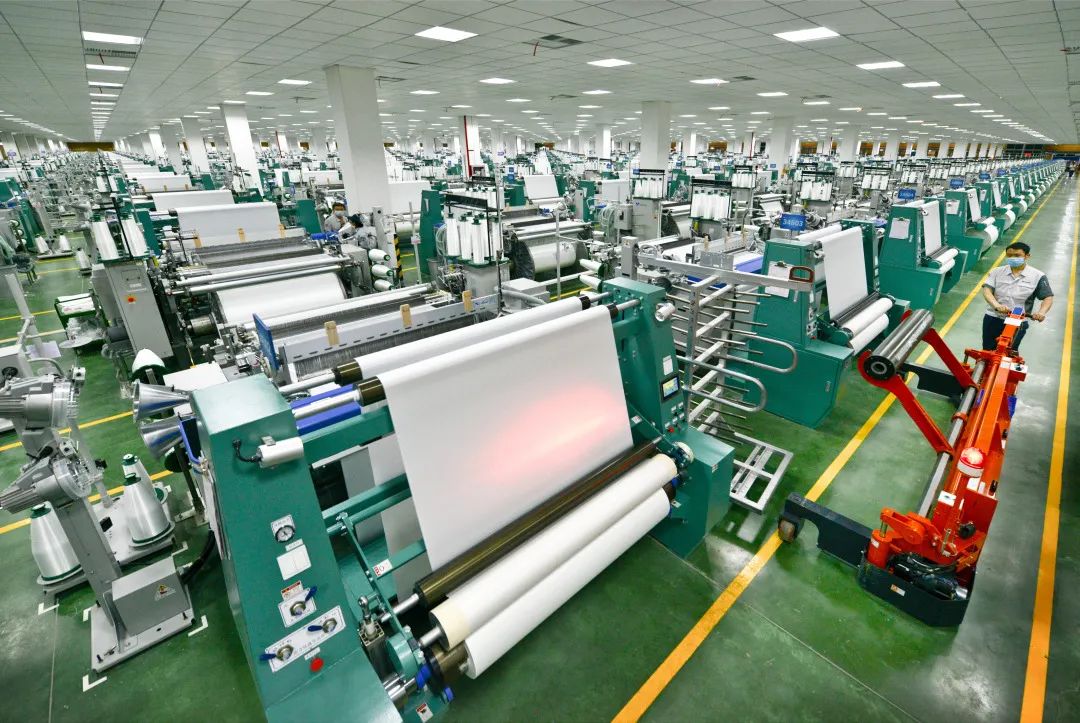
Looking for Reliable High-Performance Fiberglass Materials?
We specialize in high-quality fiberglass solutions engineered for modern electronics, high-frequency communications, and demanding industrial applications.
- Custom Glass Fiber Formulations & Weaves
- Strict Quality Control & Batch Consistency
- Global Export & Technical Support
Contact Our Engineering Team today to request product datasheets, custom specifications, or free material samples for your next project!
Post time: Sep-03-2026


